
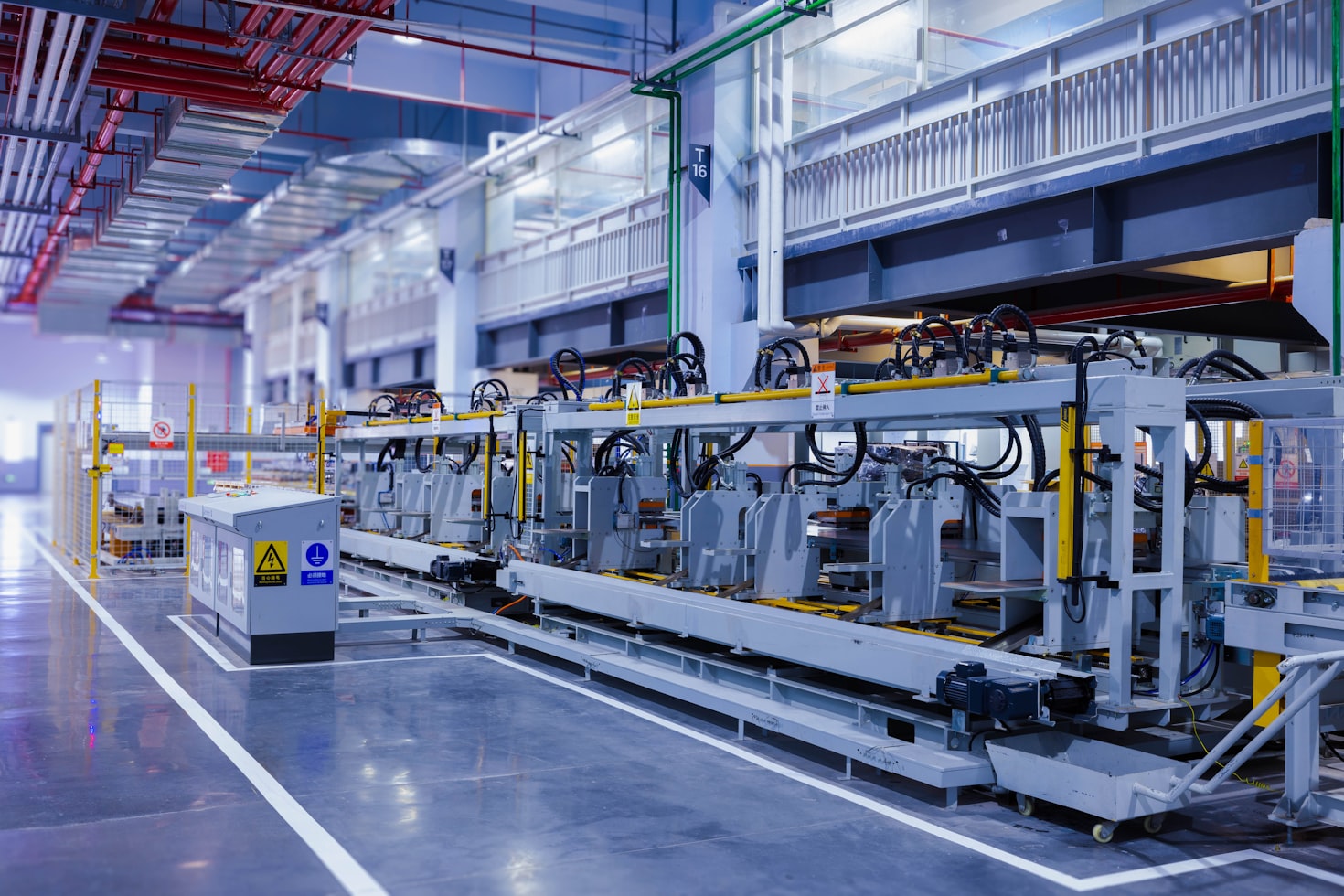
Operational context
In construction, manufacturing, and engineering, the critical knowledge sits in specs, drawings, and manuals, and in the heads of people close to retirement. Meanwhile projects get more complex and margins thinner. On the Laava Platform, agents read specs and datasheets, check them against requirements, answer technical questions from your own documentation, and prepare the paperwork that keeps projects moving. For production lines and installed equipment, we build predictive maintenance models that learn from sensor and maintenance data and flag failures before they stop the line. Experience stops walking out the door, and engineers spend their time engineering.
Where this usually breaks down
- Knowledge is scattered across inboxes, folders, and people
- Document-heavy work still burns too much manual time
- Handovers and approvals slow down execution and follow-up
- Existing systems are present, but they do not work together intelligently
Where this stands today
published case studies in this industry
featured examples on this page
concrete process needed to start well
need for loose AI hype or experiments
Featured case studies
Projects that show how this lands in practice.
Three projects. Three months. One FDE.
At an industrial company, Laava replaced an external consulting team of four engineers, a project manager and a Scrum Master with one Forward Deployed Engineer (FDE) and an agentic software factory. The result: three software projects delivered in three months.
Spotting deviations in supplier specifications
A validated concept helps engineers compare supplier documents with project requirements. It highlights differences and missing information so the engineer can focus the review.